What Is the Real Gap for Genuinely Self-Employed People When They Get Ill?
For genuinely self-employed people, falling ill can bring a unique and often overlooked set of challenges. Unlike employed workers, self-employed individuals frequently face no sick pay and no duty to adjust by anyone else — which can create a precarious financial and health situation. In this article, we’ll unpack the real gaps involved, explore why stress is a recognised health and safety hazard, highlight employer duties under the Health and Safety Executive (HSE) guidance, and explain how the Equality Act 2010 factors into this debate.
We’ll also discuss practical income planning ideas for the self-employed to help manage these unavoidable risks, and why the HSE’s Management Standards can serve as a useful benchmark even when you’re running your own show.
Why Self-Employed No Sick Pay Is More Than a Nuisance
When you’re genuinely self-employed — a freelancer, contractor, or small-business owner working solo — the traditional employment safety net disappears. There’s no employer paying Statutory Sick Pay (SSP), no HR department adjusting your workload, and usually no colleague who can cover your tasks.
If illness or injury strikes, your income halts immediately, but your bills don’t. This creates what I call the “income gap”, or the financial shortfall that kicks in the moment you are physically or mentally unable to work.
Who Qualifies as Genuinely Self-Employed?
It matters to talk about genuinely self-employed people because some workers sit in a grey area where employment rights apply, like 'workers' who have some rights but not full employee protections. Here, we focus on people who:
- Take business risk personally
- Control how and when they deliver work
- Have multiple clients or customers
- Provide their own tools and cover their own costs
These criteria matter because genuinely https://brightonjournal.co.uk/health-at-work-what-brighton-employees-should-know-about-their-rights-and-wellbeing/ self-employed people don’t have legal rights such as sick pay or workplace adjustments under employment law. This gap is stark when illness or disabling conditions occur.
Stress: The Overlooked Health and Safety Hazard for the Self-Employed
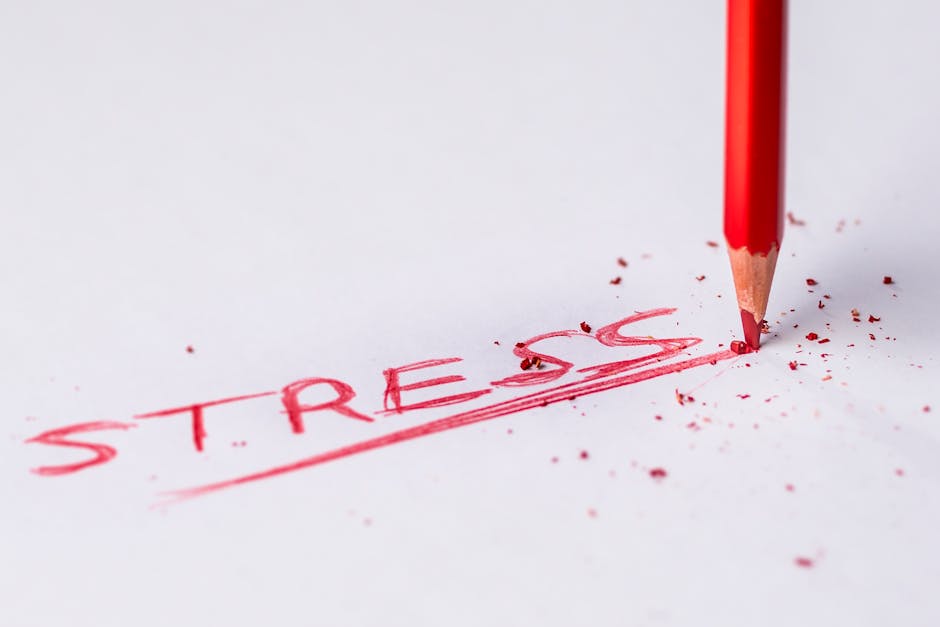
Stress is often mislabeled as a “personal resilience issue” — a perception I find both unhelpful and inaccurate. The Health and Safety Executive (HSE) recognises stress as a legitimate health and safety hazard that can cause real harm.
The HSE’s stress risk assessments and Management Standards provide detailed benchmarks to identify and manage workplace stressors for employed staff. While self-employed people lack a boss and traditional employer, the same causes of stress apply: workload pressures, lack of control, unclear expectations, isolation, and poor work-life balance.
How Employers Are Duty-Bound Under the HSE Guidelines
The key duties, under the Health and Safety at Work etc. Act 1974, place responsibility on employers to reduce risk from work-related stress. That includes:
- Carrying out risk assessments including stress factors
- Taking reasonable steps to reduce or mitigate identified risks
- Providing support and adjusting work to avoid stress-related harm
For employed workers, this means their employer must act. For genuinely self-employed people, though, there is no employer to carry out or act on these assessments or duties. You are, effectively, both worker and manager — so how do you apply those standards?
Using HSE Management Standards as a Self-Assessment Benchmark
The HSE Management Standards outline six key areas of work design linked to stress:
- Demands
- Control
- Support
- Relationships
- Role clarity
- Change management
Even if you’re solely self-employed, running your own business, applying these standards as a benchmark to your workload and working environment can help reduce stress-related risks. For example, you can:
- Track and manage your work demands realistically — avoid overbooking clients
- Create clear systems so your role and time use are well-defined
- Build support networks or peer groups to offset isolation
- Recognise the impact of sudden changes in client demand and plan contingencies
No Duty to Adjust: The Legal Gap for Self-Employed Disabled Entrepreneurs
Many conversations about accommodation and disability focus on employed people. The Equality Act 2010, Section 6 defines disability as a “physical or mental impairment which has a substantial and long-term adverse effect on a person’s ability to carry out normal day-to-day activities.”
For employees and workers, the Act imposes a duty on their employer to make reasonable adjustments to help disabled workers perform their job. That duty can include flexible hours, physical workstation adjustments, or adapting work tasks.
But here’s the stark reality for genuinely self-employed people: there is no employer legally obliged to provide reasonable adjustments. You are responsible for managing your own disability or health condition within your business. This can mean you face:
- Loss of income if symptoms prevent you working
- Additional personal or financial costs to adjust your environment or tools
- Increased risk of burnout by pushing through illness or difficulty to keep the business afloat
What This Means in Practice
Bearing this gap in mind, self-employed people with disabilities need robust income and risk planning to protect themselves. For example:
- Considering insurance products such as income protection insurance or critical illness cover
- Building a financial buffer to cover treatment, adaptation, and loss of earnings
- Exploring specialist business support and networks for disabled entrepreneurs
- Using client and contract diversification to reduce income disruption
Income Planning for Self-Employed No Sick Pay Situations
Because genuinely self-employed people typically receive no sick pay, prudent income planning is essential. It isn’t just about saving up some cash — it means approaching your business finances strategically.

Key Income Planning Strategies Include:
Strategy Description How It Helps When Ill Emergency Fund Set aside 3-6 months’ essential expenses in savings Provides a financial buffer to cover bills during illness-related downtime Income Protection Insurance Policies that pay out a portion of income if you cannot work due to illness or injury Offers a safety net to sustain income while unable to deliver services Client Diversification Work with multiple clients to avoid revenue dependency Reduces impact if one client delays or cancels during your recovery Subcontracting & Collaboration Develop relationships with trusted peers who can temporarily cover work Keeps continuity and client goodwill without solely depending on your presence Digital Products or Passive Income Create scalable products like eBooks, courses, or licenses Generates income without active work, useful when rest is neededRemember to Review Your Plans Regularly
Business circumstances and health status change. Revisiting your risk and income plans every 6–12 months, especially after illness or near-misses, keeps you prepared for the unpredictable.
Sharing This Knowledge: Get the Word Out
Understanding and planning for the sickness gap in self-employment is crucial, but you don’t have to keep this to yourself — share this essential information widely. Here are convenient share links to keep critical wellbeing conversations alive across your networks:
- WhatsApp Share
- Facebook Share
- Instagram (manually share link in bio)
- TikTok (upload video sharing key points)
- Twitter/X Share
- YouTube (create a summary video)
- Telegram Share
- Viber Share
- Pinterest Share
Final Thoughts: Filling the Gap Requires Personal Ownership
The harsh truth is that for genuinely self-employed people, there is a very real and significant gap when illness or stress hits. Without an employer to provide sick pay, conduct stress risk assessments, or make reasonable adjustments under employment or equality law, you must become your own HR, safety officer, and financial planner.
Accepting this responsibility doesn’t mean going it alone emotionally or practically. Many resources — from HSE stress Management Standards to specialist support networks — empower self-employed workers to implement safeguards. All of which centre on one principle: plan ahead, manage risk proactively, and don’t ignore stress or illness as personal failures.
If you’re self-employed, I encourage you to review your business and health risk plans today. Your future self will thank you.
Author bio: With 11 years supporting small and micro-business owners in Brighton and Hove, from creative studios to cafes, I help solo managers cut through the jargon and take practical steps to protect their wellbeing and income. No HR department? No problem.
```